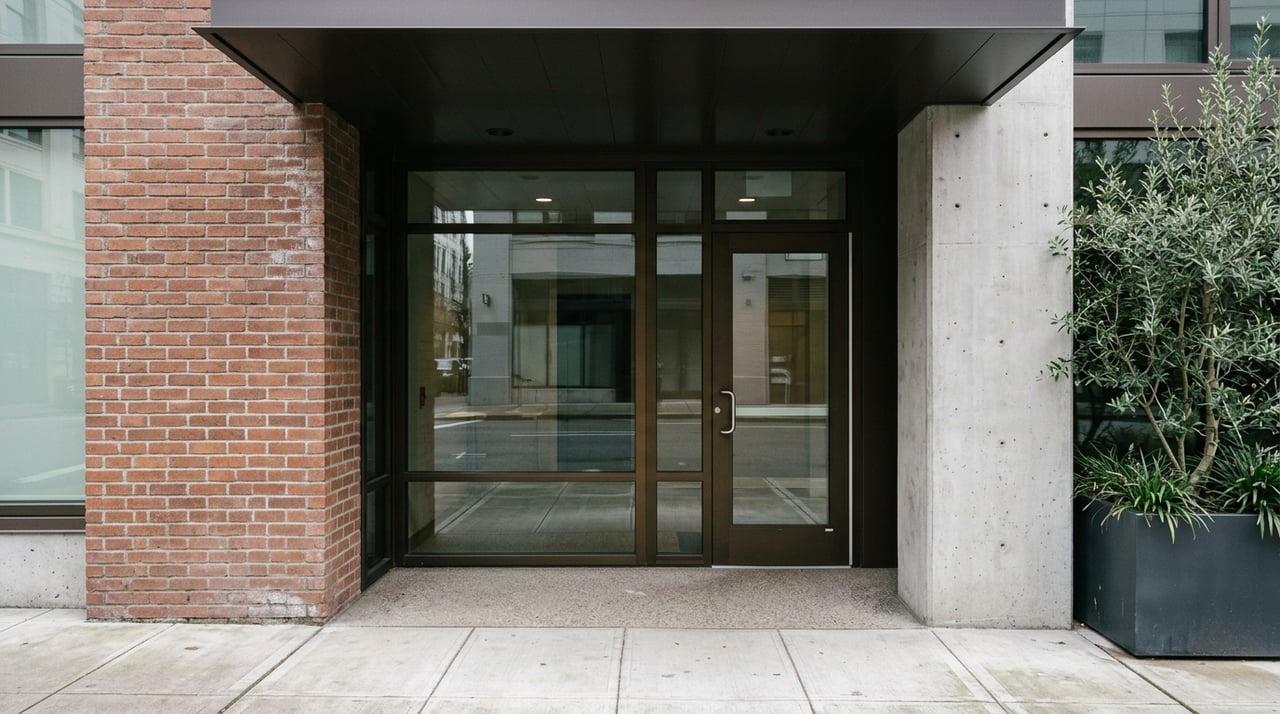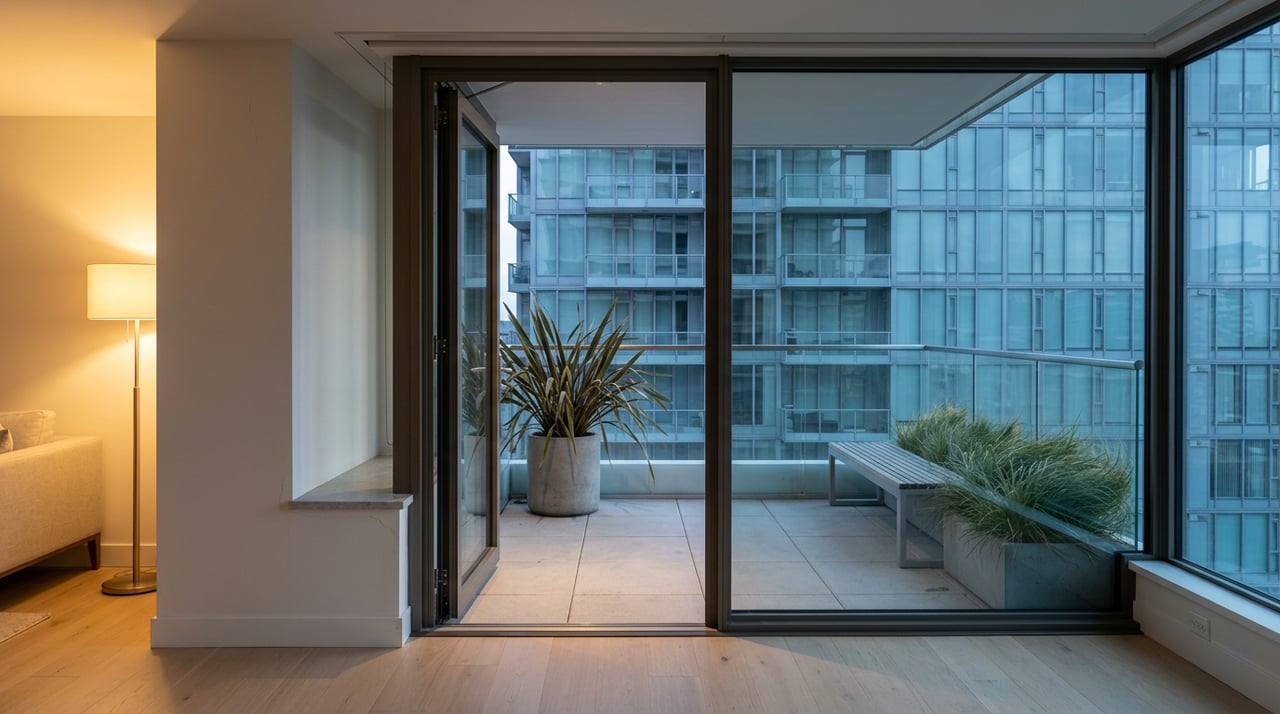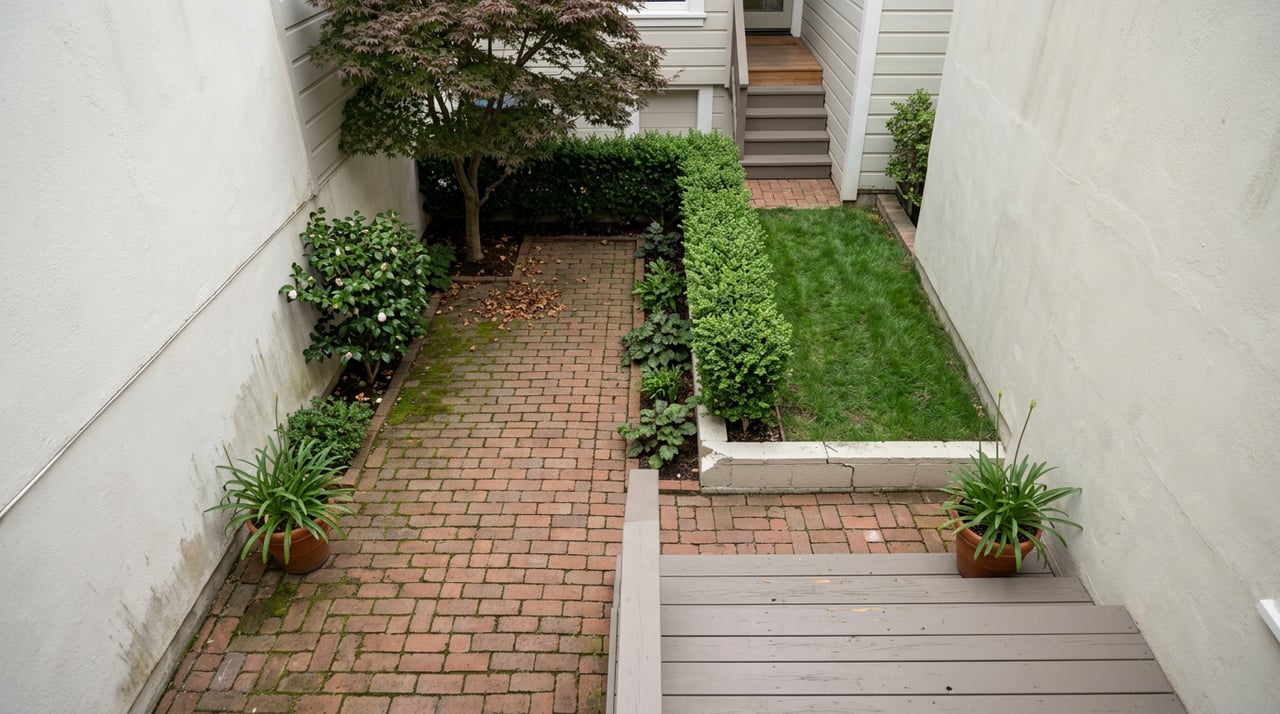
In April 2026, a proposal landed in the city's planning queue that should have been unremarkable: two additional dwelling units at 1844 Church Street, on the low-slung block between Noe Valley and Glen Park. The architect, Troy Kashanipour, drew a three-story building with a bay window echoing the block's existing houses and about 5,930 square feet split between two three-bedroom units with rear terraces. A single-story house would come down.
The comment thread that followed ran for days. One neighbor called the design dreadful and accused the project of clearing "naturally affordable housing" to make room for more tech workers. Another pushed back, asking why anyone opposed to new supply was even reading a pro-development site. A third jumped in just to call the whole exchange imbecilic. Nobody in that thread was wrong about the stakes. Two units, five months of public back and forth, and the outcome still pending. That is what it costs, in time and social friction, to add almost nothing to the housing stock in Noe Valley.
If you are shopping this neighborhood and you already know the headline number, this friction is the part the portals skip. As of late May 2026, the San Francisco Standard reported that $3 million now buys what counts as a starter home in Noe Valley. Most explanations for that price stop at cute Victorians and good commutes. They miss the mechanism that actually holds the number up.
The premium isn't the house. It's the fight over the house next door.
Every listing agent will tell you Noe Valley has charm. What they are less likely to explain is that the charm is maintained on purpose, by people who show up to comment threads and community meetings to keep it that way. The 1844 Church Street proposal is a small case, but it is not an isolated one. Infill projects in and around Noe Valley routinely draw this kind of scrutiny, and each round of scrutiny adds months, sometimes years, before a shovel goes in the ground.
That matters for a buyer because it means the supply constraint you're competing against isn't really zoning. Plenty of San Francisco neighborhoods share the same base zoning and don't generate the same resistance. What Noe Valley has is an unusually organized, unusually persistent resident culture that treats every proposed change as something to be litigated in public. The practical effect is that inventory turns over slowly, new construction is rare, and the houses that do come to market carry a scarcity premium that has very little to do with square footage.
The merchants association runs the corridor like a small town, deliberately
The same instinct that slows down housing shows up on the commercial strip, and it is even more explicit there. The Noe Valley Merchants and Professionals Association has, for decades, worked to keep 24th Street from becoming a late-night destination. The neighborhood's own monthly night market wraps up by 8 p.m. When the Standard asked the association's treasurer, identified as Yenne, why the strip keeps such tame hours, her answer was direct.
"We don't want to be Union Street."
That is not a passive preference. It is an active policy position, enforced through the same community organizing that shows up on planning comment threads. Noe Valley's 24th Street corridor has avoided the bar-heavy, late-night retail turnover that defines other commercial strips in the city, and that avoidance is coordinated, not accidental. The same grassroots energy that built the Noe Valley Town Square out of a former church parking lot, entirely through resident-led fundraising and organizing rather than a city-initiated project, is the energy that keeps a proposed restaurant permit or a new multi-unit building under a microscope.
Buyers moving here from neighborhoods where retail character shifts every year, where a bar closes and a different bar opens in the same storefront within months, are paying for the opposite: a level of predictability about what the neighborhood will look like in five years that most of the city cannot promise.
Why this started with an earthquake, not a real estate campaign
The Standard's reporting traces Noe Valley's shift from a blue-collar strip to a tech-favorite corridor back to the Loma Prieta earthquake in 1989. When the quake damaged the Central Freeway, commute patterns into the South Bay changed, and Noe Valley's Victorian cottages and warmer microclimate suddenly looked attractive to workers who needed a shorter path south. City Real Estate agent Droubi, who grew up in the neighborhood when her mother sold houses there, described 24th Street in that earlier era as "definitely a little hardscrabble," home to a five and dime store and open air bars rather than the boutiques and strollers that line it now. By the early 2000s, private commuter buses for companies like Google and Apple were making Noe Valley their last stop in the city before the highway, and the trajectory from there has been steady.
That history matters because it explains why the neighborhood's protective instincts run so deep. Long-time residents watched their streets get rediscovered once already, driven by a piece of infrastructure they had no control over. The current resistance to fast change, whether it's a new restaurant lease or a two-unit infill project, reads less like nostalgia and more like a community that decided a long time ago it wanted to control the pace of its own transformation this time.
What this actually means if you're comparing neighborhoods
If you're weighing Noe Valley against a neighborhood with comparable square footage and a lower price per square foot, the gap is not primarily about finishes or lot size. It's about how much certainty you're buying regarding what your block will look like in a decade. A few things follow from that:
- New supply will keep arriving slowly, project by project, with each one facing a comment period and often organized opposition, so don't expect Noe Valley's inventory constraints to loosen quickly.
- The commercial corridor will likely keep its current character, including its early closing hours, because that character is actively defended rather than left to market drift.
- Because the scarcity is behavioral as much as regulatory, it is not something a future rezoning effort or a change in city leadership is likely to unwind overnight.
For a buyer this means the $3 million figure isn't a bubble waiting to correct. It's the market pricing in a genuinely unusual level of neighborhood control over its own future. Whether that control is worth the premium depends on what you value: if predictability and a slow, resident-managed pace of change matter to you as much as square footage, the math starts to make more sense.
A practical note on timing
Because turnover is slow and each listing tends to draw serious competition from buyers who understand exactly what they're buying into, moving quickly and with clear pre-approval matters more here than in neighborhoods with looser supply. Comparing recent closed sales alone won't tell you much if the last comparable listing sold eight months ago under different conditions. A conversation about current inventory and what's realistically coming to market in the next quarter tends to be more useful than a static comp sheet.
FAQ
Does the resistance to new construction mean Noe Valley will never add housing? No. Small infill projects like the one proposed for 1844 Church Street do move forward, just slowly. The pattern is friction and delay rather than an outright freeze, which is exactly why supply stays tight without disappearing entirely.
Is the Noe Valley Merchants and Professionals Association a homeowners association? No. It's a business and property owner group focused on the 24th Street commercial corridor, not a residential HOA. Its influence comes from organizing and public advocacy, not from any binding authority over private homes.
If you're comparing Noe Valley against another San Francisco neighborhood and want a straight read on what a specific address is actually worth given how this market behaves, Eric Turner can walk you through current inventory and what's realistically coming next. Get your instant home valuation to start the conversation.