Thinking about trading your downtown condo for a Sunset house? It is a big move, and not just because of price. You are shifting from shared-building living to owning the structure, systems, and day-to-day decisions yourself. This guide will help you understand what changes, what to budget for, and how to plan your timing so you can move with confidence. Let’s dive in.
Why the Sunset Feels Different
If you live in SoMa, South Beach, or another condo-heavy area, the Sunset can feel like a different version of San Francisco. The housing stock is much more house-oriented, with far more single-family homes than many downtown neighborhoods.
San Francisco Planning’s 2023 housing inventory shows 19,139 single-family units out of 27,061 total units in Outer Sunset. In Inner Sunset, there are 10,738 single-family units out of 19,317 total units. That matters because a move-up purchase here often means buying the entire structure, not just the space within shared walls.
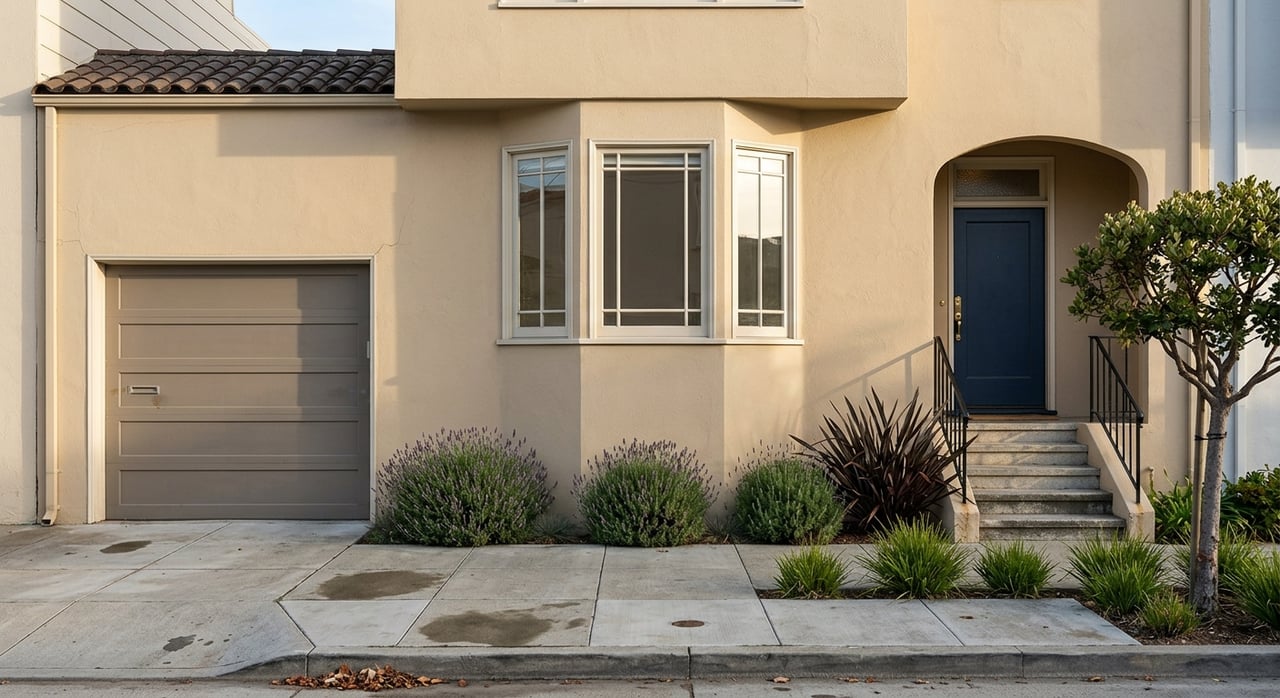
The neighborhood also reflects an older building era. According to San Francisco Planning’s Sunset historic context statement, much of the area was built between 1925 and 1950, often with stucco exteriors, integrated garages, and 25-foot-wide lots.
For you, that changes the ownership experience. In a newer condo building, major systems and exterior items may be handled through the HOA. In a Sunset house, inspection results, repair planning, and reserve budgeting usually play a much bigger role.
The Price Jump Is Real
One of the biggest surprises for move-up buyers is the scale of the pricing shift. A condo owner moving from a downtown building into a Sunset house is often entering a very different budget range.
As of May 2026, Redfin reports a median sale price of $1.9 million in the Sunset District, with homes selling in 13 days and averaging 31.3% above list price. Realtor.com shows median listing prices of $1,391,500 in Outer Sunset and $1,647,500 in Inner Sunset. For comparison, Redfin shows SoMa condos at a median listing price of $699,000.
These figures are not direct apples-to-apples comparisons because list prices and sale prices measure different things. Still, they clearly show that moving from a downtown condo to a Sunset house often means preparing for a meaningful increase in purchase price and competition.
Your Monthly Costs Will Change Too
The purchase price is only part of the story. Your monthly cost structure can shift in ways that feel unfamiliar at first.
In a condo, HOA dues are usually separate from the mortgage payment. Consumer guidance from the CFPB notes that condo or HOA dues can range from a few hundred dollars per month to more than $1,000, and those dues often help cover shared building expenses.
When you buy a house, that line item may disappear, but the responsibility does not. Instead, your budget often shifts toward property taxes, insurance, repairs, home maintenance, and future improvements.
You should also plan for one-time costs beyond the purchase. The CFPB advises buyers to set aside money for closing costs, moving costs, new furniture, repairs, and home improvements. If you are moving from a compact condo into a house, those categories can add up quickly.
Condo Ownership vs. House Ownership
The most important mindset shift is responsibility. Condo owners are used to sharing some decisions and risks with the HOA. House owners carry more of that directly.
The CFPB notes that HOA dues commonly cover shared expenses, and condominium associations often handle items like shared structures, driveways, and roofs. In a house, those decisions and costs are yours.
That does not mean a house is a worse fit. It just means you need a different plan. A Sunset home may offer more space, more privacy, and a more traditional residential setup, but it also calls for stronger reserves and more hands-on ownership.
A simple way to think about it
Before you make the leap, ask yourself these questions:
- Do you have room in your budget for repairs and upkeep?
- Are you comfortable making decisions about the roof, exterior, drainage, or garage?
- Do you want more space and independence, even if it means more maintenance?
- Are you prepared for an older housing stock where inspections matter more?
If the answer is yes, the move can make a lot of sense.
The Sunset Lifestyle Trade-Off
A move to the Sunset is not only a housing decision. It is also a daily lifestyle shift.
The neighborhood offers a cooler, less high-rise environment than downtown. The National Park Service describes Ocean Beach as a 3.5-mile stretch with few tourists and no highrises, and notes that late spring and summer are often foggy with average temperatures in the 50s.
Golden Gate Park is another major part of the appeal. San Francisco Recreation and Parks says the park spans 1,017 acres, borders the Sunset, and is accessible by public transit, bike routes, a free shuttle, and car-free roads.
For many buyers, this means trading elevator convenience and dense urban living for a more outdoor-oriented routine. If you want more space, a garage, and easier access to the beach and park, the Sunset can feel like a strong upgrade in lifestyle. If you love stepping out into a tower-dense downtown environment, the adjustment may take more thought.
Commute Planning Matters
If you work downtown or split time across the city, transportation should be part of your decision. Sunset living is transit-accessible, but it is more route-based than walk-to-work.
SFMTA says the N Judah serves Outer Sunset, Inner Sunset, SoMa, Downtown/Civic Center, and the Financial District, and runs 24 hours daily. The L Taraval runs from Ocean Beach through the Sunset to Embarcadero by way of West Portal and the Market Street subway, with service to downtown stations including Civic Center, Powell, Montgomery, and Embarcadero.
That means you can still stay connected to core job centers, but your routine may look different. Instead of walking downstairs to a nearby office or transit hub, you are more likely planning your day around a specific line and travel window.
How to Prepare Financially
Because the Sunset market remains tight, preparation matters. You do not want to start shopping before you know your real ceiling.
Redfin describes the Sunset District as the city’s most competitive market, with homes moving quickly and selling well above list price on average. In practical terms, you should be clear on what you can afford before you start touring homes.
The CFPB recommends getting at least three preapprovals. It also explains that preapproval is not the same as a final loan application, but it helps show that you are a serious buyer.
A smart prep checklist
Before you start your search, try to have these pieces in place:
- A clear maximum purchase budget
- A preapproval strategy from at least three lenders
- A realistic estimate of your condo sale proceeds
- A plan for closing costs, moving costs, and initial repairs
- A reserve for furniture or improvements after move-in
This kind of prep helps you move faster when the right home appears.
Should You Sell First?
For many move-up buyers, the condo sale is what makes the house purchase possible. Timing those two transactions well can reduce stress and limit financial risk.
The CFPB says buyers normally try to sell their current home first before buying another one. That approach can make your budget clearer and reduce the strain of carrying two properties at once.
Still, overlap can happen. If you need it, ask your lender whether bridge financing is an option.
Fannie Mae guidance says bridge or swing loans can be an acceptable source of funds, but the lender must document your ability to carry your current home, the new home, the bridge loan, and your other obligations at the same time. In short, overlap is possible, but it needs careful underwriting and a conservative plan.
Why Strategy Matters in a Fast Market
The Sunset is not usually the kind of market where you can browse casually for months without a plan. With a 13-day median market time and strong competition, clarity matters.
You need to know what type of home fits your budget, what repairs or updates you can handle, and how your condo sale fits into the picture. A strong move-up strategy usually connects financing, pricing, timing, and property condition from day one.
That is especially true if you are moving from a downtown condo market where Eric Turner has deep experience. Understanding both sides of the move, your current condo and your target house, can help you make cleaner decisions and avoid expensive missteps.
Moving from a condo to a Sunset house is a meaningful upgrade for many buyers, but it works best when you go in with clear numbers, realistic expectations, and a plan for the ownership changes ahead. If you are weighing the sale of your condo and your next purchase in San Francisco, Eric Turner can help you map out the move with practical guidance and local insight.
FAQs
What is different about owning a Sunset house versus a downtown condo?
- A Sunset house usually means direct responsibility for the structure, exterior, repairs, insurance, and maintenance, while a condo often shares some of those costs and decisions through an HOA.
How competitive is the Sunset housing market for move-up buyers?
- Redfin reports the Sunset District had a $1.9 million median sale price in May 2026, homes sold in 13 days, and sales averaged 31.3% above list price.
How much should a condo owner budget beyond the Sunset house purchase price?
- The CFPB says you should plan for closing costs, moving costs, new furniture, repairs, and home improvements in addition to the purchase itself.
Should a San Francisco condo owner sell before buying a Sunset house?
- The CFPB says buyers normally try to sell their current home first before buying another one.
What transit options connect the Sunset to downtown San Francisco?
- SFMTA says the N Judah and L Taraval both connect Sunset areas to downtown stations and major central city destinations.
Why does preapproval matter when buying a house in the Sunset?
- The CFPB says a preapproval letter helps show sellers you are a serious buyer, even though it is not the same as a final loan approval.