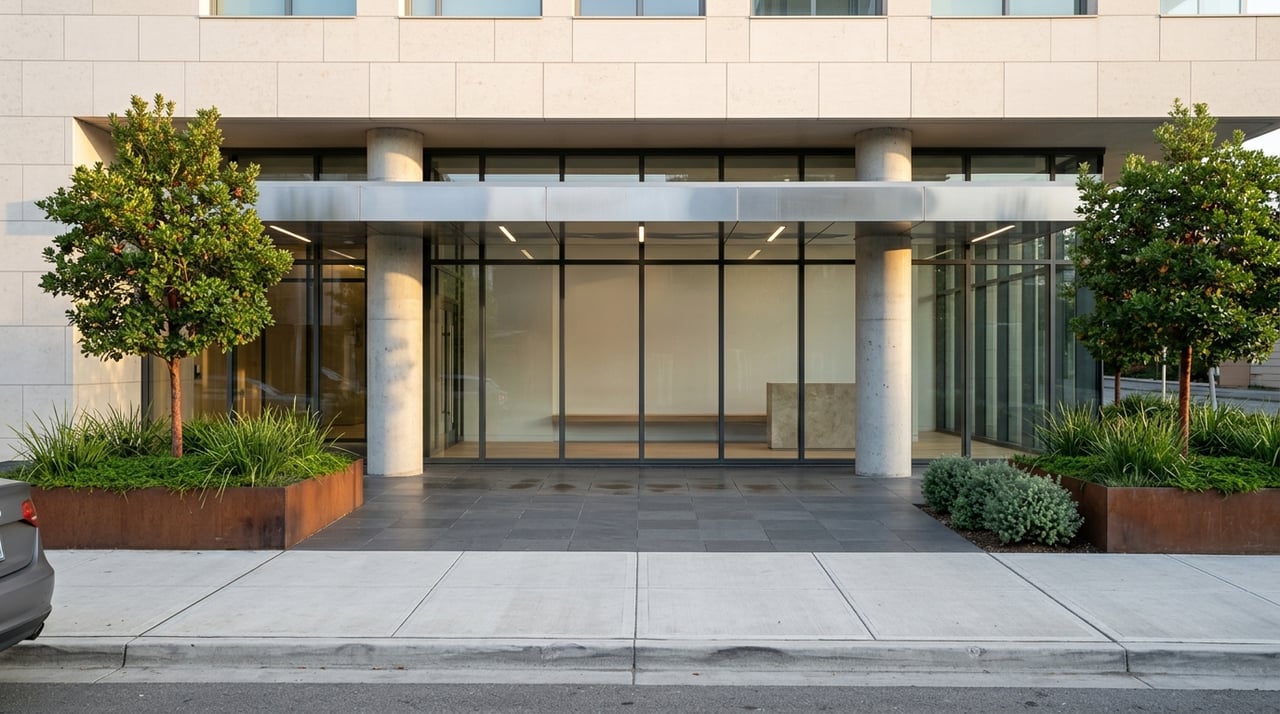
Trying to choose the right South Beach waterfront condo building can feel easy at first, until you realize each tower offers a very different daily lifestyle. If you are comparing views, amenities, staff, transit access, and monthly ownership costs, the details matter more than the brochure. This guide will help you understand how South Beach’s best-known condo buildings differ, what perks stand out, and what to review before you buy. Let’s dive in.
Why South Beach Stands Out
South Beach is more than a cluster of high-rises near the water. The San Francisco Planning Department describes the area as part of the Northeastern Waterfront stretch from Pier 22 through Pier 46B, shaped by waterfront parks, South Beach Harbor, and Embarcadero transportation improvements.
For you as a buyer, that translates into a more connected shoreline and an easier day-to-day experience on foot. You are choosing from buildings with strong access to the Embarcadero, Oracle Park, the Ferry Building, and downtown, which is a big part of why South Beach remains one of San Francisco’s most searched condo markets.
What South Beach Buyers Usually Compare
Most serious shoppers are not choosing between identical buildings. They are usually weighing four different priorities: amenities, interior space, service level, and daily convenience.
Some buyers want a newer-feeling full-amenity tower with a long list of shared spaces. Others care more about larger floor plans, a boutique atmosphere, or quick access to groceries, transit, and errands. In South Beach, the best fit often comes down to how you want to live, not just the view from the windows.
Lumina Perks
Lumina at 201 Folsom Street is one of the largest full-amenity options in the South Beach and Rincon Hill cluster. The project includes 656 residences across two towers and two podium buildings, with one-, two-, and three-bedroom homes.
Its amenity package is one of the deepest in the area. Residents have access to a 70-foot indoor lap pool, spa, steam room, sauna, movie theater, fitness center with a climbing wall, bi-level club lounge, rooftop terrace, and resident service portals for building operations and dues.
If you want a building that feels modern, highly programmed, and built around lifestyle amenities, Lumina is often high on the list. It tends to appeal to buyers who want a polished high-rise experience with strong access to both South Beach and the Financial District.
The Infinity Perks
The Infinity is a four-tower, 650-unit complex spread across 300 Spear, 301 Main, 333 Main, and 338 Spear. It offers a broad range of home sizes, from studios of roughly 500 to 580 square feet up to three-bedroom homes as large as 3,400 square feet.
Its amenities create a resort-style feel. The building includes a full-time concierge team, a 5,000-square-foot fitness center, a 75-foot lap pool, theater, club lounge, and Prospect restaurant.
Location is a major draw here. The Embarcadero is about two blocks away, the Ferry Building is roughly a five-minute walk, and Oracle Park and South Park are nearby. If you want a central address with strong amenities and a wide mix of floor plans, The Infinity often fits that brief well.
The Harrison Perks
The Harrison is often cross-shopped with South Beach buildings even though many buyers think of it as part of the Rincon Hill conversation. Its appeal centers on a more boutique-luxury feel, larger interior layouts, and design-forward finishes.
The current offerings include one-, two-, and three-bedroom residences plus penthouses. Examples on the building’s materials include a one-bedroom at 1,286 square feet with a Bay Bridge view, two-bedroom layouts around 1,241 to 1,311 square feet, and a two-bedroom-plus-den penthouse at 1,589 square feet with an expansive wall of floor-to-ceiling windows.
Amenities include 24/7 concierge service, valet parking, a private dining room, grand entry salon, penthouse lounge, fitness center, pool, and jacuzzi. For buyers who care as much about interior design and scale as they do about location, The Harrison offers a more tailored luxury profile.
The Beacon Perks
The Beacon is a helpful comparison because it sits in the Mission Bay and South Beach orbit while leaning more heavily into everyday convenience. The building has 595 residences, with layouts ranging from junior one-bedrooms to three-bedrooms.
Its amenities include a 24/7 front desk and security, heated outdoor pool, fitness center, sauna, clubhouse, dog park, business center, and bike storage. The building also stands out for practical access to ground-level conveniences like Safeway, Starbucks, Caltrain, Muni, and bus stops.
The Beacon’s published Walk Score is 95 and Transit Score is 100. If you want a waterfront-adjacent lifestyle with easier errands and strong transportation options, this building often makes sense.
Matching Buildings To Your Priorities
When buyers compare these buildings side by side, the decision usually becomes clearer once they rank their top priorities. A tower that feels perfect on paper may not be the best fit if your daily routine points in another direction.
Here is a simple way to think about the match:
- Choose Lumina if you want a newer-feeling building with one of the area’s strongest amenity packages.
- Choose The Infinity if you want a central location near the Embarcadero and Ferry Building, plus a resort-style experience and broad floor plan range.
- Choose The Harrison if you value larger interiors, design-forward finishes, and a more boutique luxury environment.
- Choose The Beacon if you prioritize transit, errands, and practical daily convenience.
Beyond Amenities: What Ownership Really Costs
It is easy to focus on the monthly HOA dues number and stop there. In reality, California condo ownership requires you to look at how the homeowners association is structured and what those dues support.
According to the California Department of Real Estate guide for residential subdivisions, HOA budgets include revenues, operating expenses, and reserves. Regular assessments fund daily operations and reserves, while special assessments may be used for extraordinary costs.
The same guide explains that reserve funds are used for common-area items such as roofing, pool equipment, paving, furniture, and other major replacements. It also notes that CC&Rs run with the land, which means you inherit the governing documents when you buy.
HOA Documents To Review
In full-service towers, monthly dues often support staffing, security, amenities, and reserve funding. That can be worthwhile, but only if you understand what you are paying for and how the building is being managed.
Before you buy, review these documents carefully:
- CC&Rs
- Current HOA budget
- Financial statements
- Reserve study
- Recent meeting minutes
- Assessment history
The California DRE guide says annual budgets should show income and expenditures, cash reserves, the remaining life of common-area facilities, and the procedure for repair and replacement. That makes these documents essential when you are comparing one South Beach building against another.
A Smarter Way To Compare Buildings
Instead of asking only, “Which building has the nicest pool?” ask a broader set of questions. That approach usually leads to a better decision and fewer surprises after closing.
Consider these practical questions as you compare options:
- How often will you actually use the amenities?
- Do you want full-service staffing like concierge or valet?
- Is walkability to the Embarcadero or Ferry Building a priority?
- Do you need faster access to Caltrain, Muni, or bus lines?
- Would you rather have larger interior square footage than more shared amenities?
- Are the HOA finances and reserves aligned with the building’s amenity load?
For many buyers, the right answer is not the most famous building. It is the one that fits your schedule, budget, and lifestyle with the least compromise.
Why Local Guidance Helps
South Beach is a market where small differences between buildings can have a big impact on value and fit. Two homes with similar square footage may deliver completely different experiences based on service levels, HOA structure, amenity access, and location within the waterfront corridor.
That is why focused neighborhood knowledge matters. If you are comparing luxury and full-service condos in South Beach, Mission Bay, or SoMa, it helps to work with someone who understands how buyers actually weigh these tradeoffs in the current market.
If you are thinking about buying or selling in South Beach, Eric Turner can help you evaluate the right building, the right unit, and the details that matter most in a fast-moving waterfront condo market.
FAQs
What makes South Beach condo buildings different from each other?
- South Beach condo buildings differ most in amenity packages, service levels, unit sizes, location convenience, and HOA structure.
Which South Beach building has the strongest amenity package?
- Based on the building profiles in this guide, Lumina stands out for the depth of its amenities, including a lap pool, spa facilities, theater, climbing wall, club lounge, and rooftop terrace.
Which South Beach condo building is best for convenience and transit?
- The Beacon is often the most convenience-oriented option, with access to Safeway, Starbucks, Caltrain, Muni, bus stops, and strong published walk and transit scores.
What should buyers review before purchasing a South Beach condo?
- Buyers should review the HOA budget, financial statements, reserve study, CC&Rs, meeting minutes, and assessment history before making a decision.
Why do HOA dues vary across South Beach buildings?
- HOA dues can vary because different buildings offer different staffing levels, amenity packages, maintenance demands, and reserve funding needs.
Is The Harrison considered part of the South Beach search set?
- Yes. Even though The Harrison is commonly discussed with Rincon Hill, South Beach buyers often cross-shop it because of its proximity to the waterfront corridor and Oracle Park.