Thinking about moving up from a San Francisco condo to a house, but not ready to leave the city? That is exactly why the Sunset keeps landing on buyers’ short lists. If you want more privacy, a garage, and a different day-to-day feel without giving up San Francisco altogether, the Sunset offers a compelling middle ground. Let’s dive in.
Sunset Offers a Different Housing Experience
For many move-up buyers, the biggest draw is simple: the Sunset is a house neighborhood. According to San Francisco Planning, the Sunset is the city’s largest neighborhood at 4.5 square miles, with more than 25,000 buildings, and in the historic survey area, 96% of buildings are single-family homes from the 1925 to 1950 development period.
That matters if you are moving from South Beach, Mission Bay, SoMa, or another condo-heavy area. In those parts of the city, the lifestyle often centers on shared walls, elevators, building amenities, and dense urban convenience. In the Sunset, the appeal is usually about gaining a different kind of space and privacy.
Why Move-Up Buyers Notice the Sunset
A move-up purchase is not always about square footage alone. Often, it is about changing how you live every day. The Sunset gives buyers a chance to trade vertical living for a more traditional residential setting while staying within San Francisco.
That shift can mean practical benefits like:
- More separation from neighbors
- An integrated garage in many homes
- Storage potential that condo owners may not have
- A yard or outdoor space in many cases
- A neighborhood layout built around houses rather than towers
For buyers who have built equity in a condo, that trade can feel less like a simple upgrade and more like a lifestyle reset.
Sunset Homes Have a Distinct Physical Character
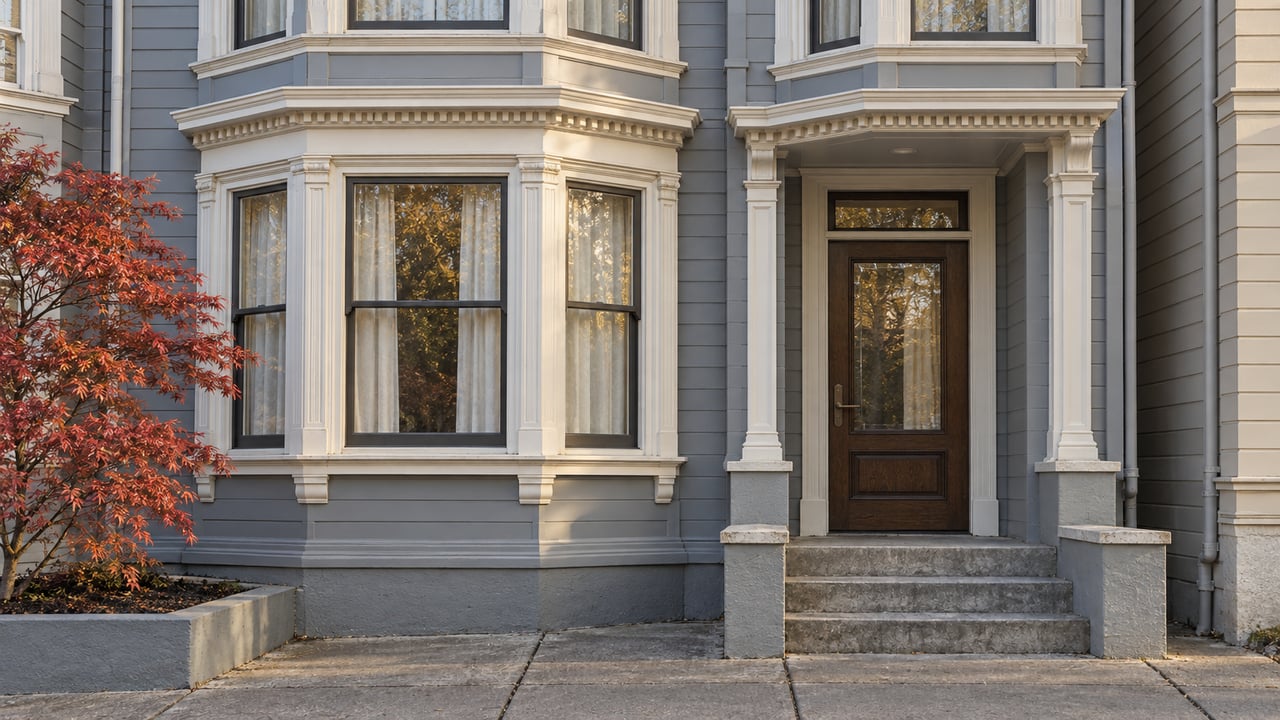
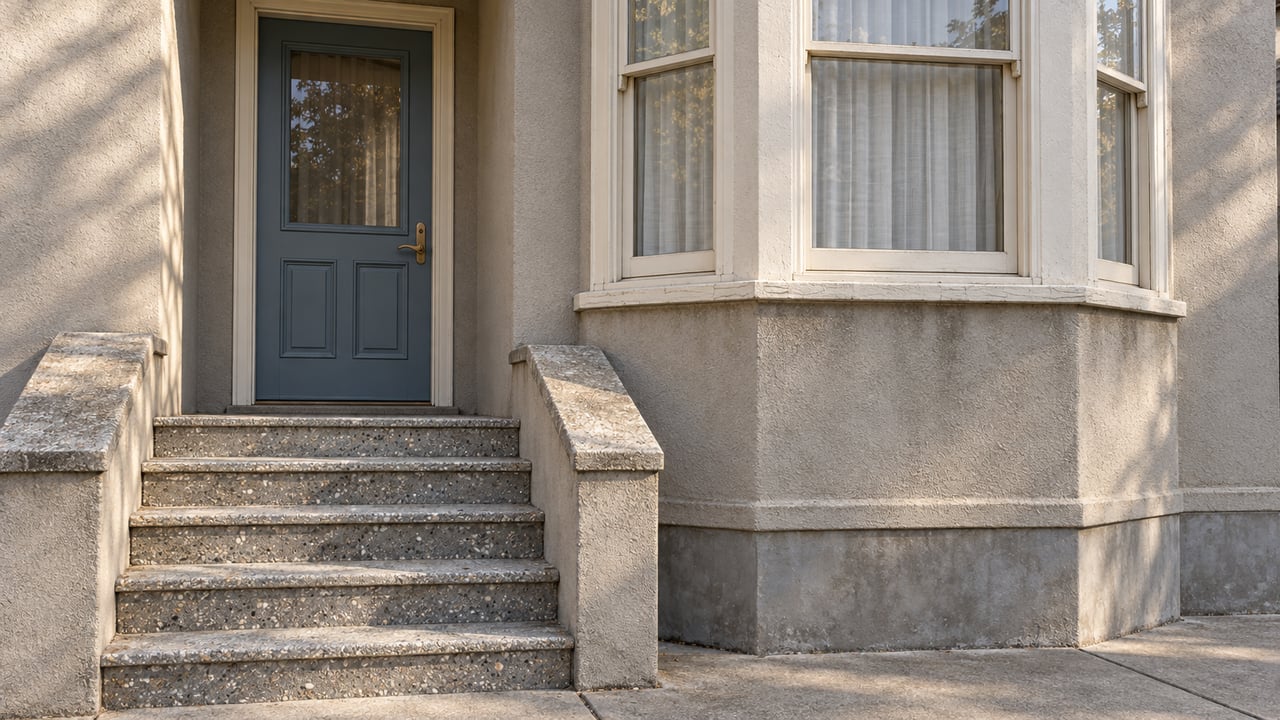
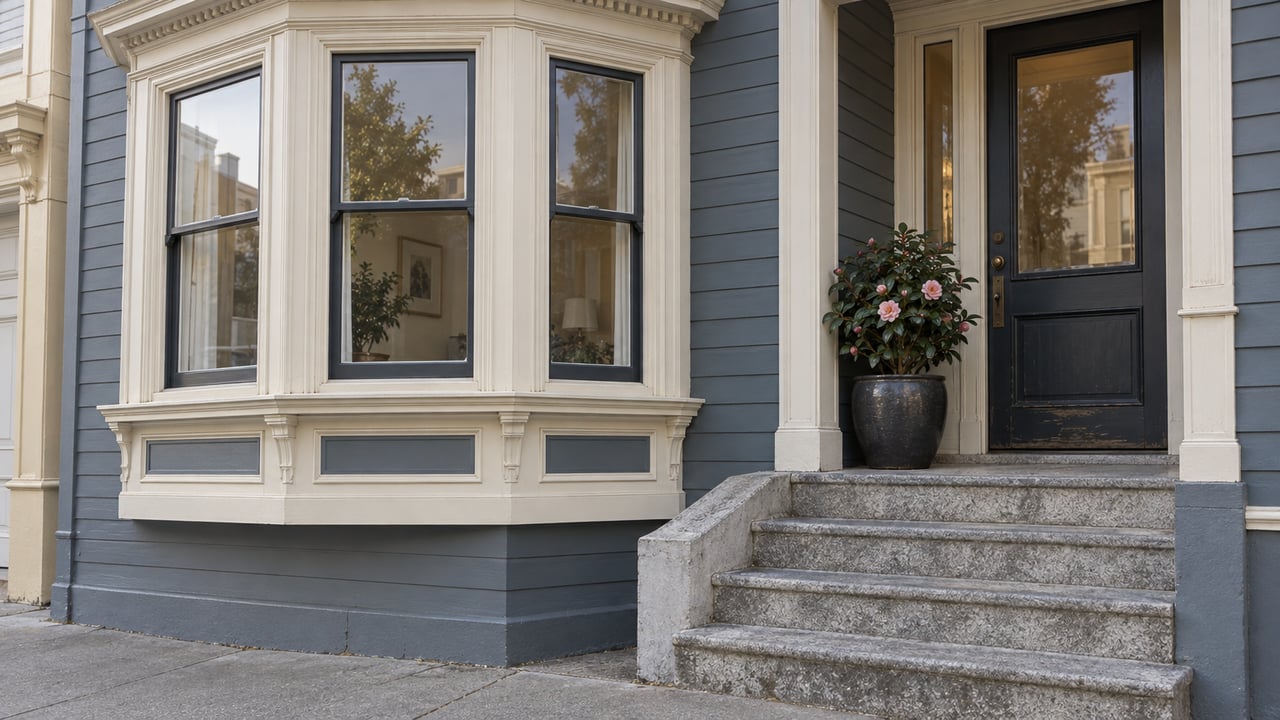
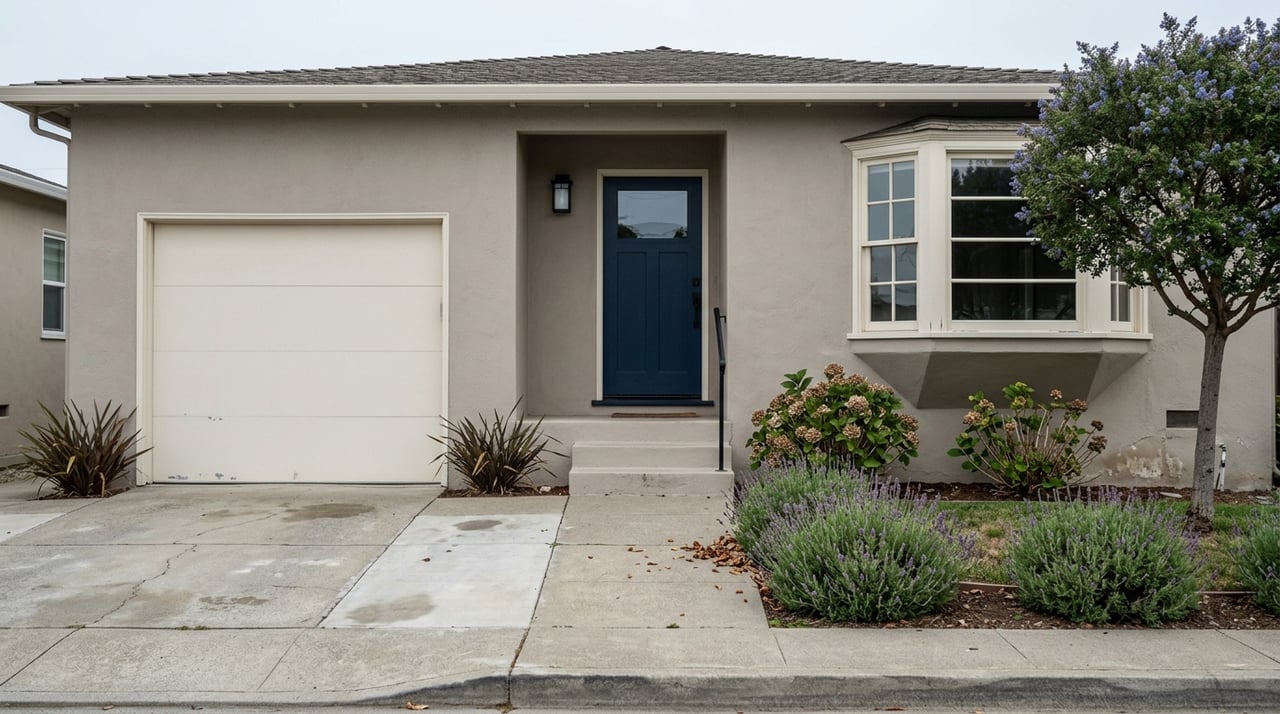
The Sunset’s housing stock has a recognizable look and feel. San Francisco Planning describes the dominant residential form as stucco-clad single-family homes on 25-foot lots, often with integrated garages, front-yard setbacks of about 10 feet, and a one-story-over-garage massing pattern.
You also see a range of architectural styles, including barrel-front Mediterranean Revival, Period Revival, Streamline Moderne, and Minimal Traditional. That consistency gives many blocks a cohesive residential character that stands apart from newer high-rise districts.
For you as a buyer, that often translates into a few highly practical advantages. Even when the homes are not large by suburban standards, they may still offer a clearer division between living space, parking, storage, and outdoor areas than a typical condo does.
The Appeal Is Not About Bargain Pricing
The Sunset is not a budget shortcut into homeownership. It is a market where buyers are paying for a specific type of home and neighborhood environment.
Current market data shows the Sunset District median sale price at about $1.9 million, with homes going pending in around 13 days in a somewhat competitive market. By comparison, San Francisco’s broader median home sale price reached $1.7 million, while condo-heavy areas such as South Beach and Mission Bay sit at much lower median price points for their typical product types.
That comparison is important because it highlights the real decision many buyers face. You are not comparing identical homes in different places. You are often comparing a condo lifestyle in the city’s core with a single-family house lifestyle on the west side.
Sunset Sits in a Useful Price Band
For move-up buyers, the Sunset can also feel like a more realistic entry point than some of the city’s top-priced single-family districts. Research data places Noe Valley around a $2.3 million median sale price and Inner Richmond around $2.0 million, while the Sunset and Outer Richmond both sit around $1.9 million.
That does not mean the Sunset is inexpensive. It does mean some buyers see it as a way to access a house-oriented neighborhood without jumping to the city’s highest house pricing tier. If you are selling a well-positioned condo and looking to convert that equity into a house, that distinction may matter.
The Neighborhood Layout Supports Long-Term Living
Part of the Sunset’s appeal is that it was built as a large residential district rather than as a dense high-rise center. San Francisco Planning notes that the neighborhood’s development accelerated in the mid-1920s and after, shaped by transportation improvements, automobile ownership, and postwar housing demand.
That history still shows up in the neighborhood today. The Sunset tends to feel more residential and house-centered than many eastern parts of San Francisco, which can be especially appealing if you are planning for a longer hold and want a home that functions well for changing needs over time.
Schools Are Part of the Practical Appeal
For some move-up buyers, access to a broader residential support system matters just as much as the home itself. The broader Sunset area is served by multiple San Francisco Unified School District campuses, including schools in the Outer Sunset and Inner Sunset.
SFUSD neighborhood pages list schools such as Ulloa Elementary, Sunset Elementary, Robert Louis Stevenson Elementary, Lawton Alternative (K-8), Francis Scott Key Elementary, A.P. Giannini Middle School, Jefferson Elementary, Alice Fong Yu Alternative (K-8), and Independence High School. Sunset Elementary, located at 1920 41st Avenue, serves grades K through 5, offers before- and after-school programming, and feeds into A.P. Giannini Middle School.
This does not make the Sunset one-size-fits-all, but it does help explain why buyers looking for a longer-term residential setting often pay close attention to the area. A wider network of local schools can be one piece of the neighborhood’s staying power.
The Coastal Climate Is Part of the Deal
If you are considering the Sunset, climate should be part of your decision. The west side of San Francisco has a distinct coastal feel, and that is not just local folklore.
According to NOAA and the National Weather Service, San Francisco’s maritime setting creates varied microclimates, with the cooler ocean side seeing partial clearing, strong afternoon and evening sea breezes, and regular marine-layer fog. Winter highs are typically in the 55 to 60 degree range, with lows in the 45 to 50 degree range.
For some buyers, that cooler weather is a major plus. For others, it takes adjustment, especially if you are coming from a sunnier or more sheltered part of the city. Either way, the Sunset’s climate is a real part of the neighborhood experience and should be treated as one of its defining features, not a minor footnote.
Access Works for Car and Transit Users
The Sunset is not a purely walk-everywhere condo district, but it is also not isolated. For many buyers, that balance is part of the attraction.
San Francisco Planning’s 19th Avenue Corridor Study notes that Park Presidio Boulevard, Crossover Drive, 19th Avenue, and Junipero Serra Boulevard together form Highway 1 on the west side, with connections to Highway 101 and Interstate 280. The study also says I-280 links the area with downtown San Francisco, the Peninsula, and the South Bay.
Transit also plays an important role. SFMTA describes the 29 Sunset as one of Muni’s most important routes, nearly 14 miles long, with more than 20,000 weekday boardings before the pandemic. The 28 19th Avenue route runs between Daly City BART and Fisherman’s Wharf.
For you, that means the Sunset can support a hybrid routine. You may drive some days, use transit on others, and still remain connected to the broader city and region.
Why Condo Owners Make This Move
If you already own a condo in a neighborhood like South Beach, Mission Bay, or SoMa, the Sunset can represent a very different use of your equity. Instead of prioritizing views, building amenities, and central walkability, you may be prioritizing privacy, parking, outdoor space, and a more house-based neighborhood setting.
That does not mean one choice is better than the other. It means your priorities may have changed. For many move-up buyers, the Sunset fits when daily livability becomes more important than staying in the same product type.
What to Weigh Before You Buy
Before you target the Sunset, it helps to be clear about what you are gaining and what you are trading.
Here are a few practical questions to ask yourself:
- Do you want a single-family home more than condo amenities?
- Is a garage or additional storage high on your list?
- Would a cooler, foggier coastal climate suit your lifestyle?
- Are you comfortable with a neighborhood that is less centered on downtown walkability?
- Do you want to stay in San Francisco while shifting to a more residential setting?
If you answer yes to most of those questions, the Sunset may deserve serious consideration.
The Bottom Line on Sunset Appeal
The Sunset appeals to move-up San Francisco buyers because it offers something increasingly specific within the city: a house-centered residential experience. You are not buying into the neighborhood because it is cheap. You are buying into a different rhythm of living, one that can include a single-family home, garage, more privacy, access to local schools, and a coastal west-side setting.
For buyers ready to turn condo equity into a longer-term home base, the Sunset often stands out as one of the clearest ways to make that shift without leaving San Francisco.
If you are weighing a move from a downtown condo to a Sunset house, Eric Turner can help you compare neighborhoods, evaluate the trade-offs, and move forward with a clear strategy.
FAQs
Why do Sunset homes appeal to move-up buyers in San Francisco?
- Sunset homes appeal to move-up buyers because the neighborhood is strongly oriented toward single-family housing, offering more privacy, garage potential, and a more residential feel than condo-heavy parts of San Francisco.
What types of homes are common in the Sunset District?
- The Sunset is known for stucco-clad single-family homes on 25-foot lots, often with integrated garages, front-yard setbacks, and architectural styles such as Mediterranean Revival, Streamline Moderne, and Minimal Traditional.
Is the Sunset District cheaper than other San Francisco neighborhoods?
- The Sunset is not a bargain market. Research shows a median sale price of about $1.9 million, which places it below some top-priced house neighborhoods but above many condo-heavy districts when comparing typical product types.
What is the weather like in the Sunset District of San Francisco?
- The Sunset generally has a cooler, foggier coastal climate than more sheltered parts of San Francisco, with regular marine-layer fog and afternoon or evening sea breezes.
How is transportation access in the Sunset District?
- The Sunset has strong west-side roadway access through Highway 1 connections and access to I-280, and it is also served by important Muni routes including the 29 Sunset and 28 19th Avenue.
What schools serve the Sunset area in San Francisco?
- The broader Sunset area is served by multiple SFUSD schools, including Sunset Elementary, Ulloa Elementary, Robert Louis Stevenson Elementary, Lawton Alternative (K-8), Francis Scott Key Elementary, A.P. Giannini Middle School, Jefferson Elementary, Alice Fong Yu Alternative (K-8), and Independence High School.